What Is EPIC Studios?
If you have landed here after seeing EPIC Studios pop up on TikTok, Instagram, or in an app store, you are probably asking one specific question: can I invest in EPIC Studios, the social media platform, the same way I might buy shares of a company like Meta or Snap? That question deserves a clear, honest answer, and this guide walks through exactly what EPIC Studios is, what its current funding and ownership situation looks like, and what your realistic options are if you want to put money behind a social media app you believe in.
EPIC Studios, sometimes written as E.P.I.C. Studios and operating under the domain epicstudios.ai, is a live streaming and short-form video app. It positions itself as a platform where creators can go live, battle other streamers, upload short videos, and earn money through digital gifts and a feature the app calls Epic Likes. Viewers send gifts and likes during a livestream or on a video, and creators can redeem what they earn for real-world rewards once they meet the app’s age and account requirements. The company describes its mission as giving creators tools to build an audience without needing a minimum follower count before they can go live or start earning.
In other words, EPIC Studios sits in the same general category as apps like TikTok LIVE, Bigo Live, and other creator-monetization platforms that blend short video, livestreaming, and a virtual gifting economy. It is a consumer app first and an investment vehicle second, if it is an investment vehicle at all in the way most people mean when they use that phrase.
Core Features of the EPIC Studios App
- Live streaming with no minimum follower requirement to start broadcasting
- Creator battles, where two streamers compete for audience support in real time
- Short-form video upload and discovery, similar in spirit to a TikTok-style feed
- A digital gifting economy, where viewers purchase and send virtual gifts that creators can redeem for real money
- Epic Likes, a reward mechanism tied to video engagement rather than only live gifting
- A stated revenue split in which creators keep a large share, commonly advertised around 80 percent, of what they receive from the community
None of this tells you anything about share price, valuation, or whether the company is selling equity to the public, which is the actual question behind can I invest in EPIC Studios. So let’s separate the product from the business entity behind it, because those are two very different things to research.
Why This Question Is Trending Right Now
Searches for phrases like can I invest in EPIC Studios social media platform tend to spike whenever a livestreaming or short-video app has a viral moment, a sudden jump in download numbers, or a wave of creator testimonials showing large payouts from digital gifts. That pattern is not unique to EPIC Studios. It happens with almost every fast-growing consumer app, from earlier livestreaming platforms to newer entrants in the short-video space, because audiences naturally wonder whether they can turn early enthusiasm as a user into an early financial stake as an investor.
There is also a simpler, less flattering reason this question trends: name confusion and search-engine noise. Because EPIC Studios shares part of its name with the far larger, unrelated company Epic Games, some searchers land on outdated or unrelated investment articles about Epic Games’ multibillion-dollar valuation and mistakenly assume the same investment pathways apply to EPIC Studios the social app. They do not. Two different companies, two different investor bases, and, as of this writing, two very different levels of public investment access. Keeping that distinction clear from the start will save you time and protect you from the confusion that scam operators sometimes exploit deliberately.
Is EPIC Studios Publicly Traded? The Short Answer
No. As of this writing, EPIC Studios is not a publicly traded company. There is no ticker symbol you can type into a brokerage app like Fidelity, Schwab, or Robinhood to buy shares of EPIC Studios the way you can buy shares of Meta Platforms, Snap Inc, or Pinterest. A company only becomes available on a public stock exchange after it completes an initial public offering, commonly called an IPO, which involves registering with the Securities and Exchange Commission, opening its financial statements to public scrutiny, and listing on an exchange such as the NYSE or Nasdaq. There is no public record of EPIC Studios filing for an IPO, and no evidence the company currently trades on any public exchange.
This is the most important fact in this entire guide, so it is worth restating plainly: if a video, an ad, or a message tells you that you can buy EPIC Studios stock right now through a link, a QR code, or a third-party trading app that is not a recognized brokerage or a registered funding portal, treat that claim with serious skepticism. New and trending apps are frequently impersonated in investment scams precisely because people search variations of can I invest in EPIC Studios social media platform without knowing what a legitimate answer looks like. We cover how to recognize those scams later in this guide, in the section on spotting investment scams tied to viral apps.
What EPIC Studios being privately held actually means for you as a prospective investor is this: any legitimate way to put money into the company’s equity, if one exists or opens up in the future, would run through the same channels that any other privately held startup uses to raise capital. That mainly means either accredited investor deals that are not open to the general public, or regulated equity crowdfunding platforms that are open to everyday investors under specific federal rules. The next two sections explain both paths in detail.
Understanding How Private Company Investing Works
Before you can evaluate whether investing in EPIC Studios, or any similar early-stage social app, makes sense for you, it helps to understand how private company ownership actually functions. A private company’s shares are not listed anywhere the public can simply click and buy. Instead, ownership is distributed among founders, employees, and a limited pool of investors who bought in during specific funding rounds, often labeled pre-seed, seed, Series A, Series B, and so on as the company grows.
Traditionally, only two groups could buy into these private rounds: venture capital firms and angel investors, and a narrower category of individuals the SEC calls accredited investors. Regulation changed in 2016 when Title III of the JOBS Act took effect, opening a new legal pathway called Regulation Crowdfunding, or Reg CF, that lets everyday, non-accredited people invest small amounts directly in startups through licensed online funding portals. This is the mechanism behind the equity crowdfunding platforms most people mean when they ask how do I invest in a startup app I like.
Accredited vs Non-Accredited Investors
An accredited investor is a legal classification, not a compliment. Under SEC rules, you typically qualify as an accredited investor if you have earned income over 200,000 dollars individually, or 300,000 dollars jointly with a spouse, in each of the past two years with a reasonable expectation of the same this year, or if your net worth exceeds 1 million dollars excluding your primary residence. Certain professional licenses, such as being a registered securities representative, can also qualify you.
If you do not meet those thresholds, you are a non-accredited investor, and historically that meant private company deals were simply closed to you. Regulation Crowdfunding changed that specifically for offerings made through registered funding portals, subject to annual investment limits based on your income and net worth. This is the legal opening that makes platforms like Wefunder, StartEngine, and Republic possible for ordinary retail investors, and it is the path most people asking can I invest in EPIC Studios would actually need to use if EPIC Studios, or a similarly sized startup, ever opens a public raise.
Equity Crowdfunding Explained: How Everyday People Invest in Startups
Equity crowdfunding platforms are online marketplaces, registered with the SEC as funding portals and regulated by FINRA, where private companies can list a fundraising campaign and members of the public can invest relatively small amounts, sometimes as little as 100 dollars, in exchange for equity, a convertible note, or a SAFE, which stands for Simple Agreement for Future Equity. The three largest platforms in this space are Wefunder, StartEngine, and Republic, and each has slightly different fee structures, investor communities, and areas of focus.
- Wefunder: often described as the most accessible platform for early-stage, consumer-facing startups, with a minimum investment as low as 100 dollars in many campaigns
- StartEngine: known for its secondary market, StartEngine Secondary, which lets investors buy and sell shares of previously funded companies after a campaign closes, adding a layer of liquidity that most private investments lack
- Republic: tends to attract more accredited investors and skews toward technology, biotech, and other more complex business models
If EPIC Studios, or a company like it, wants to raise money from the general public rather than only from venture capital firms, one of these platforms, or one of the several dozen smaller SEC-registered funding portals, is the most likely route. As of this writing, there is no public record of an EPIC Studios campaign live on Wefunder, StartEngine, or Republic, which circles back to the core answer from earlier in this guide: right now, there is no confirmed, publicly accessible way to buy equity in EPIC Studios.
Reg CF vs Reg A+ vs Reg D, in Plain English
- Regulation CF (Reg CF): allows a company to raise up to 5 million dollars in a 12-month period from both accredited and non-accredited investors, through a registered funding portal, with per-investor limits tied to income and net worth
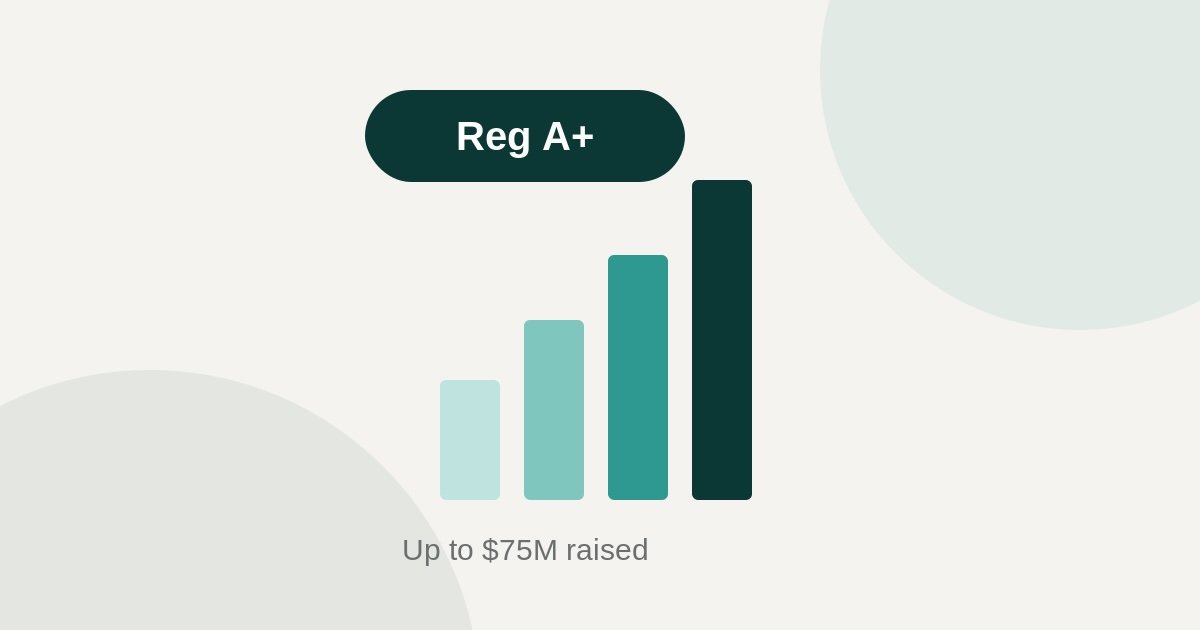
- Regulation A+ (Reg A+): sometimes called a mini-IPO, allows a company to raise up to 75 million dollars, involves heavier SEC disclosure requirements, and is also open to non-accredited investors
- Regulation D (Reg D): the traditional private placement exemption, generally restricted to accredited investors, and the route most venture capital and angel rounds use
Understanding which exemption a company is raising under tells you a lot about how much financial disclosure you are entitled to see before you invest, and how much regulatory oversight the offering has already gone through. A Reg CF or Reg A+ offering, precisely because it is open to the public, requires the company to file specific disclosures with the SEC, which you can and should read before committing any money.
Where to Check if EPIC Studios Is Actively Raising Money
If you want to verify, rather than take our word for it, whether EPIC Studios or any other private company currently has an open equity crowdfunding campaign, there are a small number of reliable places to look, and it takes only a few minutes.
- Search the company name directly on Wefunder, StartEngine, and Republic’s own search bars
- Check the SEC’s EDGAR database for any Form C filing, which is the disclosure document companies must file when they run a Reg CF campaign
- Check FINRA’s public list of registered funding portals to confirm that any platform hosting a campaign is actually a legitimate, regulated portal and not an imitation site
- Check the company’s own official site and verified social media accounts for any announcement of a funding round open to the public
If none of those sources show an active raise, the honest answer to can I invest in EPIC Studios social media platform is: not right now, at least not through any legitimate, regulated channel. That could change if the company decides to open a Reg CF or Reg A+ round in the future, but until that happens, anyone claiming to sell you EPIC Studios shares directly is not operating through a channel the SEC or FINRA recognizes.
How to Try to Invest in EPIC Studios Specifically
If your goal is specifically to invest in EPIC Studios rather than the broader creator-economy space, here is a realistic step-by-step approach, built around the reality that the company is not currently listed on any equity crowdfunding platform or public exchange.
- Step 1: Set a recurring reminder, monthly or quarterly, to search EPIC Studios on Wefunder, StartEngine, and Republic, since new campaigns appear on these platforms regularly and a company can launch a round with little advance notice
- Step 2: Follow the company’s verified social accounts and official site rather than third-party fan accounts, since an official funding announcement, if one ever comes, will be published there first
- Step 3: Set a Google Alert for the exact phrase EPIC Studios funding round, so you are notified quickly if any news outlet or press release covers a capital raise
- Step 4: If a campaign does appear, verify it through the SEC’s EDGAR system before investing a single dollar, by confirming a Form C or Form C offering statement has actually been filed under the company’s legal name
- Step 5: Read the full offering disclosure, not just the marketing page, paying close attention to the company’s financial statements, use of proceeds, existing debt, and the risk factors section, which every legitimate offering is required to include
This process will not guarantee you a chance to invest, since private companies choose when and whether to open their cap table to public crowdfunding, and many well-known consumer apps never do. But it is the realistic, scam-free version of chasing this specific opportunity, rather than clicking a link from an unsolicited message that promises guaranteed early access to EPIC Studios shares.
Alternative Ways to Get Exposure to the Creator Economy and Social Apps
If what actually interests you is the broader trend, livestreaming, short video, and creator monetization, rather than this one specific app, you have considerably more investable options today than EPIC Studios alone offers. Several publicly traded companies operate in the same general category, and buying their shares through any standard brokerage account is straightforward, liquid, and does not require accredited investor status or a minimum crowdfunding threshold.
Public Companies in the Same Space
- Meta Platforms: owns Facebook, Instagram, and Threads, all of which have their own livestreaming, reels, and creator monetization tools
- Snap Inc: owner of Snapchat, with its own Spotlight short-video feature and creator payout programs
- Pinterest: a visually driven platform expanding into shoppable and creator content
- Roblox: a user-generated content and social gaming platform with its own virtual currency and creator payout system, conceptually similar to EPIC Studios’ gifting model but built around games rather than livestreams
- Match Group and Bumble: while primarily dating apps, both compete for the same attention economy and increasingly build in live and social features
You can also gain indirect exposure to privately held giants in this space, such as Epic Games, the video game and Unreal Engine company behind Fortnite, which is unrelated to EPIC Studios the social app despite the similar name. Epic Games remains privately held, but investors have gained indirect exposure through the public shares of its strategic backers, including Sony and, at various points, Disney, or through specialized secondary marketplaces such as EquityZen and Forge, which are restricted to accredited investors and deal in shares sourced from existing employees and early shareholders rather than the company itself. It is worth pausing on that name overlap specifically: Epic Games and EPIC Studios are two completely different companies, and search results, social posts, and even some AI-generated summaries sometimes blur the two together. Always confirm the exact legal entity name before you invest in anything.
Exchange-traded funds focused on internet, social media, or the broader communication services sector are another way to spread a modest amount of money across many companies in this category at once, rather than betting everything on a single private startup’s outcome. This diversified approach carries far less risk than a single early-stage private investment, though it also means you will not capture the outsized upside that comes with getting in early on a company that eventually becomes the next major platform.
The Real Risks of Investing in an Early-Stage Social App
Before you decide whether investing in EPIC Studios, or any comparable early-stage social platform, belongs in your portfolio, it is worth being direct about the risk profile of this category, because the marketing around consumer apps rarely emphasizes it.
- Illiquidity: unless a company offers a secondary market, such as StartEngine Secondary, your money can be effectively locked up for years with no reliable way to sell your position before an acquisition, IPO, or shutdown
- High failure rate: the majority of early-stage startups, across every category including social apps, do not survive long enough to return capital to investors, let alone generate a profit
- Dilution: future funding rounds can reduce the percentage ownership represented by your original investment, even if the company is doing well
- Platform dependency risk: an app like EPIC Studios depends heavily on the App Store, Google Play, and social platforms like TikTok for discovery and distribution, and policy changes on any of those platforms can meaningfully affect growth
- Regulatory risk around virtual gifting: livestream gifting economies, where users purchase digital gifts that creators redeem for cash, have drawn increasing scrutiny from regulators and consumer protection groups in several markets, which could affect the business model of any app built around this feature
- Limited information: private companies, even ones running a Reg CF campaign, disclose far less financial detail than a publicly traded company is required to publish quarterly
- Founder and key-person risk: an early-stage consumer app is often disproportionately dependent on a small founding team, and losing a key executive can meaningfully change the company’s trajectory in a way that would barely move the needle at a larger, publicly traded company
- Valuation uncertainty: unlike a public stock with a constantly updated market price, an early-stage company’s valuation is set by its founders and investors during each funding round, which means you may have little independent way to judge whether the price you are offered reflects the company’s actual prospects
None of this means investing in an early-stage social platform is a bad decision for every investor. It means the category sits firmly on the high-risk end of the spectrum and should generally represent only a small, deliberately limited portion of an investment portfolio, money you could genuinely afford to lose without disrupting your broader financial plan.
How to Spot Investment Scams Tied to Viral Apps
Because EPIC Studios has been growing quickly on TikTok and other platforms, it is a realistic target, or a convenient name to borrow, for investment scams. This pattern repeats every time a consumer app gains rapid attention: fraudulent ads and messages appear promising early access, guaranteed returns, or pre-IPO shares in apps that are not actually raising money from the public at all. Consumer protection agencies have issued repeated warnings about exactly this pattern on Meta platforms and elsewhere, so it is worth knowing the warning signs cold.
- Unsolicited messages or ads promising guaranteed returns, since no legitimate investment, public or private, can honestly promise a guaranteed profit
- Pressure to act immediately, framed as limited early access or a closing window, designed to stop you from doing basic verification
- A request to send funds through cryptocurrency, wire transfer, gift cards, or a payment app to a personal account rather than through a recognized, SEC-registered funding portal
- A link that does not lead to Wefunder, StartEngine, Republic, or another portal on FINRA’s registered list, but instead to an unfamiliar third-party site
- Deepfake or manipulated video content of a public figure appearing to endorse the investment, a tactic regulators have flagged repeatedly in recent years
- A contact who reaches out to you first, especially someone claiming to represent the company directly, rather than you finding the offering through the company’s own verified channels
If you ever see an ad or message claiming you can invest in EPIC Studios right now through a link outside of a FINRA-registered funding portal, the safest assumption is that it is fraudulent until you can verify otherwise through the steps outlined earlier in this guide. Verify first, invest second, never the other way around.
A Checklist for Evaluating Any Startup Investment Opportunity
Whether or not EPIC Studios ever opens a public funding round, the same evaluation framework applies to any early-stage company you are considering investing in. Working through this checklist takes real time, and that is intentional, since a legitimate opportunity will hold up to scrutiny and a scam generally will not.
- Confirm the offering is filed with the SEC and hosted on a FINRA-registered funding portal
- Read the full Form C or offering circular, not just the marketing summary, including the risk factors section in its entirety
- Look at revenue, user growth, and burn rate if disclosed, and be honest with yourself about how much of the pitch is narrative versus verified numbers
- Research the founding team’s background, prior companies, and public track record
- Understand exactly what security you are buying: common equity, a SAFE, or a convertible note each carry different rights and different paths to a return
- Check whether a secondary market exists for the shares, or whether your money will be fully illiquid until an exit event
- Decide in advance what percentage of your total investable assets you are willing to allocate to high-risk, illiquid, early-stage positions, and stick to that limit
- Assume total loss is possible and only invest an amount you could absorb losing entirely without affecting your near-term financial obligations
Should You Invest in EPIC Studios? Key Questions to Ask Yourself
Because there is currently no confirmed, public way to invest in EPIC Studios, this section is less about the specific app and more about how to think through the decision if and when an opportunity like this does become available to you, whether that is EPIC Studios itself or the next viral social app that opens a crowdfunding round.
- Do I actually use and understand this product, or am I only attracted to the idea of getting in early?
- Have I confirmed this offering through an SEC filing and a FINRA-registered portal, rather than a social media ad or a message from a stranger?
- Can I genuinely afford to lose this entire amount without it affecting my rent, savings goals, or other financial commitments?
- Am I comfortable with my money being illiquid for potentially several years with no guarantee of a secondary market?
- Does this investment fit inside a small, clearly bounded portion of my overall portfolio, rather than representing an outsized bet?
If you can answer all five of those honestly and comfortably, a small position in a legitimate, verified equity crowdfunding campaign is a reasonable way to participate in a company’s early growth. If any answer gives you pause, that hesitation is worth listening to before you commit money.
Tax and Legal Considerations for Crowdfunding Investors
A few practical points are worth knowing before you make your first equity crowdfunding investment in any company, EPIC Studios included, if and when that becomes possible.
- Most Reg CF investments are illiquid and cannot easily be resold for at least 12 months after purchase, by regulatory design, except in specific limited circumstances such as selling back to the company or to an accredited investor
- If the company is eventually acquired or goes public, your return is realized at that point, and any gain is generally treated as a capital gain for tax purposes, though the specific tax treatment depends on how long you held the investment and the structure of the security you purchased
- If the company fails, a total loss may be deductible as a capital loss, subject to the usual IRS limits, and it is worth discussing the specifics with a tax professional rather than assuming
- Non-accredited investors are subject to annual investment limits across all Reg CF campaigns combined, based on income and net worth, so track your cumulative crowdfunding investments across platforms, not just within a single company
This guide is educational and general in nature. It is not personalized tax, legal, or financial advice, and before committing money to any private company offering, it is worth speaking with a licensed financial advisor or tax professional who can look at your specific situation.
Final Thoughts
So, can I invest in EPIC Studios, the social media platform? As of now, the honest, verified answer is no, not through any confirmed public or regulated channel. EPIC Studios is a privately held company, and there is no evidence of an active Reg CF, Reg A+, or public stock offering at this time. That could change, and if it does, the legitimate path will run through a FINRA-registered funding portal like Wefunder, StartEngine, or Republic, backed by an SEC filing you can actually read before you commit a dollar.
In the meantime, if what draws you to this question is genuine interest in the creator economy and social media investing more broadly, publicly traded companies in the same space offer a liquid, transparent, and far more heavily regulated way to build exposure today. And whatever you eventually decide, the single most protective habit you can build as an investor is simple: verify the offering through official, regulated sources before you ever send money, and treat any unsolicited promise of guaranteed early access with immediate suspicion.
Frequently Asked Questions
Can I invest in EPIC Studios right now?
Not through any confirmed public or regulated channel as of this writing. EPIC Studios is privately held, is not listed on any stock exchange, and there is no verified record of an active equity crowdfunding campaign on Wefunder, StartEngine, or Republic. If that changes, a legitimate offering will be filed with the SEC and hosted on a FINRA-registered funding portal.
Is EPIC Studios publicly traded?
No. EPIC Studios has no public stock ticker and has not completed an initial public offering. You cannot buy shares of EPIC Studios through a standard brokerage account such as Fidelity, Schwab, or Robinhood.
Is EPIC Studios the same company as Epic Games?
No. EPIC Studios, the livestreaming and short-video social app at epicstudios.ai, is a separate company from Epic Games, the video game and Unreal Engine company behind Fortnite. The similar names cause frequent confusion in search results, so always confirm the exact legal entity before researching or investing in either.
How do people usually invest in apps like EPIC Studios before they go public?
Typically through equity crowdfunding platforms such as Wefunder, StartEngine, or Republic, which are registered with the SEC and regulated by FINRA, and which allow both accredited and non-accredited investors to buy small stakes in private companies under Regulation Crowdfunding.
What is the minimum amount needed to invest in a startup through equity crowdfunding?
Minimums vary by campaign, but many Reg CF offerings on platforms like Wefunder allow investments starting around 100 dollars, making the entry point far lower than traditional angel investing or venture capital.
Is it safe to invest through a link sent to me on social media claiming to offer early access to EPIC Studios shares?
No, treat this as a serious red flag. Legitimate private company offerings run through SEC-filed, FINRA-registered funding portals, not through unsolicited social media messages or ads. Verify any claim independently before sending money.
Can non-accredited investors buy shares in private companies?
Yes, but only through Regulation Crowdfunding offerings on registered funding portals, subject to annual investment limits tied to income and net worth. Traditional venture capital and Regulation D private placements generally remain restricted to accredited investors.
What happens to my money if a startup I invested in through crowdfunding fails?
You can lose your entire investment. Early-stage companies fail at a high rate, and equity crowdfunding investments are not insured or guaranteed in any way, which is why financial professionals generally recommend limiting this category to a small portion of a diversified portfolio.
How can I check if a company is legitimately running an equity crowdfunding campaign?
Search the SEC’s EDGAR database for a Form C filing under the company’s exact legal name, and confirm the hosting platform appears on FINRA’s public list of registered funding portals. Both checks take only a few minutes and are the most reliable way to verify legitimacy.
Are there publicly traded alternatives if I want exposure to the social media and creator economy space?
Yes. Companies such as Meta Platforms, Snap Inc, Pinterest, and Roblox are publicly traded and operate in the same broad category, offering a liquid and regulated way to invest in the sector without the illiquidity and higher risk profile of a private, early-stage app.
Does EPIC Studios have an IPO planned?
There is no public record of EPIC Studios announcing IPO plans. Most consumer apps at a comparable stage remain private for years, if they go public at all, and any IPO announcement would be reported by major financial news outlets and filed with the SEC well before shares became available to the public.
What is the difference between investing in EPIC Studios and simply using the app to earn creator payouts?
These are entirely separate things. Using the app as a creator and earning digital gifts or Epic Likes is a form of income from content creation, governed by the app’s own terms of service. Investing would mean owning equity in the underlying company, EPIC Studios itself, which is a securities transaction governed by SEC and FINRA rules. Earning money as a creator on the platform does not give you any ownership stake in the company.
Disclaimer: This article is for general educational purposes only and does not constitute financial, investment, tax, or legal advice. Investing in private companies and early-stage startups carries a high degree of risk, including the potential loss of your entire investment. Always verify any investment opportunity through official SEC and FINRA channels and consult a licensed financial advisor before making investment decisions.